CHOICE Community — Usability Evaluation
CHOICE Community— Usability Evaluation
UX Research · Usability Evaluation · Information Architecture
UX Research · Usability Evaluation · Information Architecture

CHOICE Community- is a public consumer discussion forum used by Australian users to share purchase and service experiences.
CHOICE Community- is a public consumer discussion forum used by Australian users to share purchase and service experiences.
Problem Context
Problem Context
This project evaluates the usability of CHOICE Community, focusing on how new and occasional users discover content, complete key actions, and understand system feedback.
This project evaluates the usability of CHOICE Community, focusing on how new and occasional users discover content, complete key actions, and understand system feedback.
Methods
Methods
Heuristic · Walkthrough · First-click · Usability Testing · Interviews
Heuristic · Walkthrough · First-click · Usability Testing · Interviews
Why These Methods
To investigate where and why users hesitate on CHOICE Community, we adopted a mixed-method usability evaluation approach, allowing us to capture both structural usability issues and real interaction breakdowns.
We began with Heuristic Evaluation and Cognitive Walkthrough to systematically review the interface against established usability principles and to identify potential friction points within key task flows.
This was followed by First-Click Testing and Unmoderated Usability Testing with new and occasional users to observe how these issues manifested in real user behaviour.
Finally, semi-structured interviews were conducted to interpret behavioural data and to uncover users’ mental models, expectations, and moments of uncertainty.
Why These Methods
To investigate where and why users hesitate on CHOICE Community, we adopted a mixed-method usability evaluation approach, allowing us to capture both structural usability issues and real interaction breakdowns.
We began with Heuristic Evaluation and Cognitive Walkthrough to systematically review the interface against established usability principles and to identify potential friction points within key task flows.
This was followed by First-Click Testing and Unmoderated Usability Testing with new and occasional users to observe how these issues manifested in real user behaviour.
Finally, semi-structured interviews were conducted to interpret behavioural data and to uncover users’ mental models, expectations, and moments of uncertainty.
First-Click Testing
First-Click Testing
Key Findings
Key Findings
1. Information hierarchy is unclear
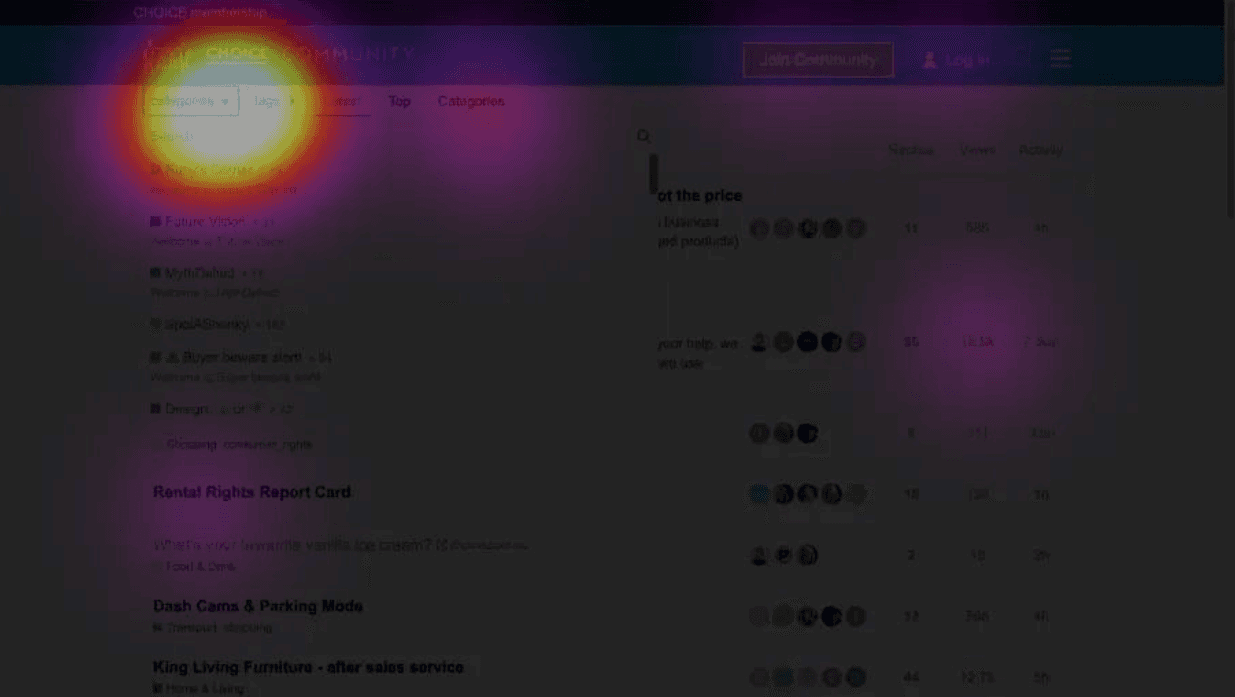
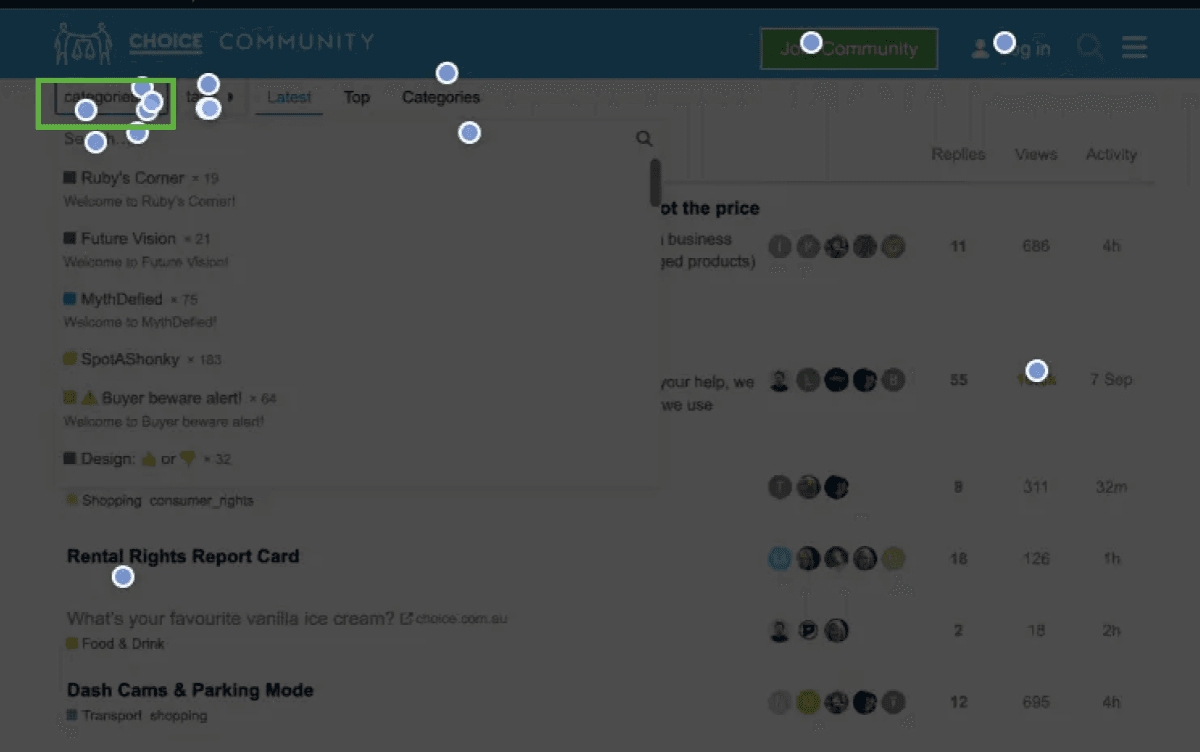
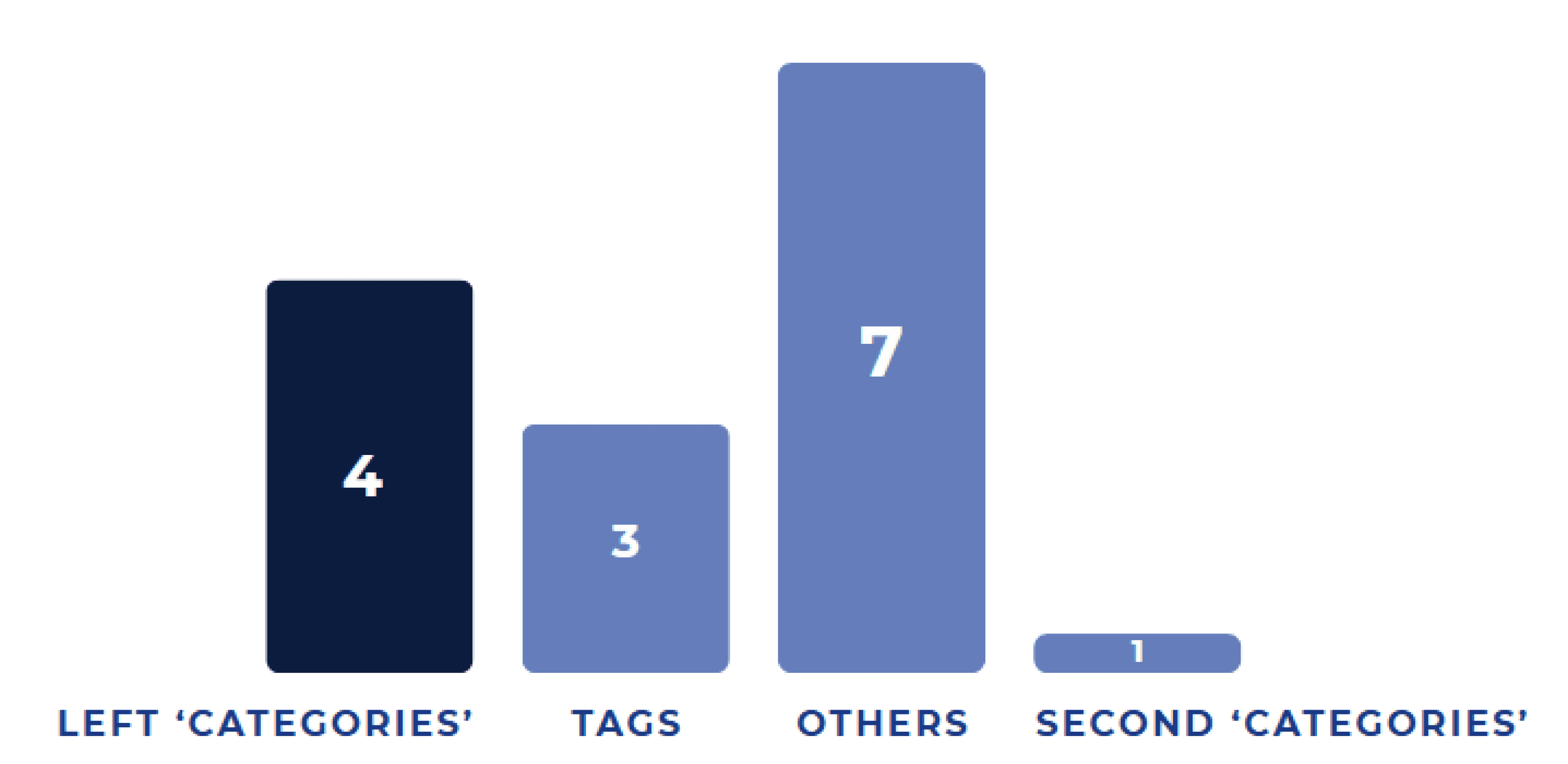
New and occasional users struggled to distinguish between Categories and Tags, often scanning multiple entry points before making a decision. First-click results showed low accuracy, indicating a flattened hierarchy that increased cognitive load.
2. Clear goals, unclear entry points
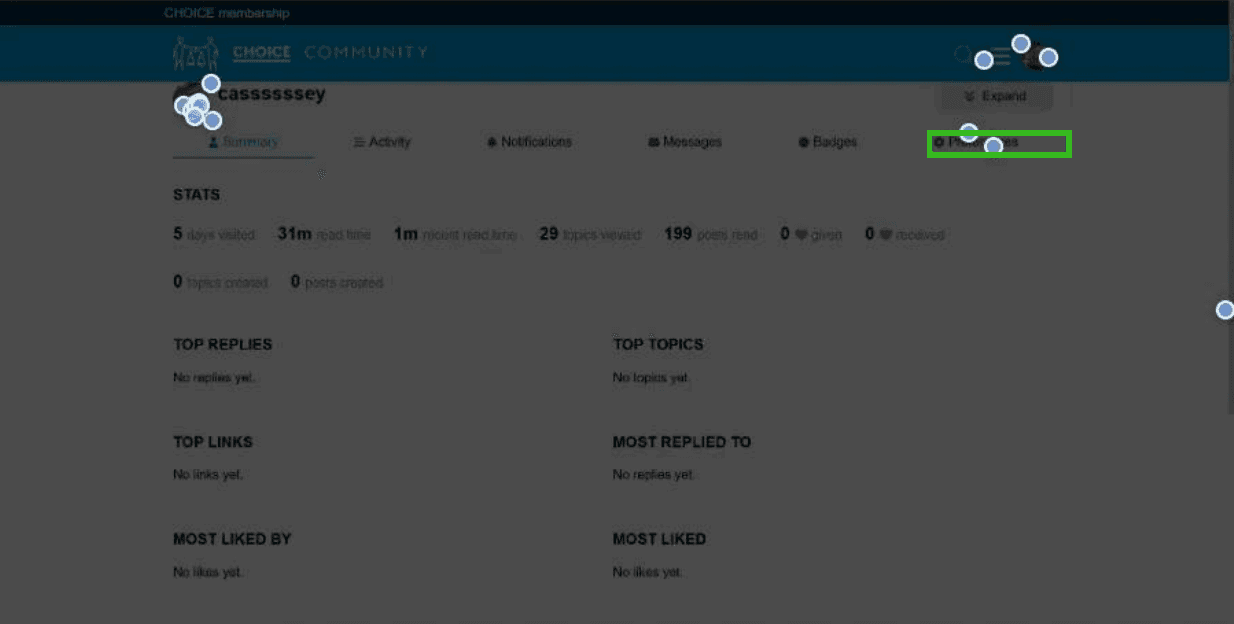
Users generally understood what they wanted to do (e.g. changing a profile photo), but were unsure where to start. Most attempted to click their avatar first, revealing a mismatch between user expectations and system affordances.
3. Recognisable icons, insufficient feedback
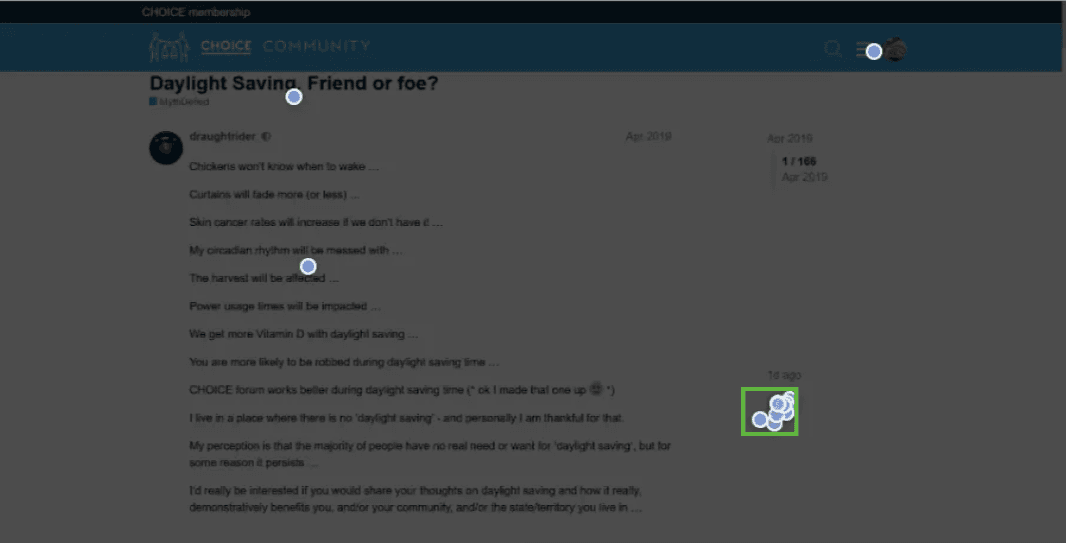
While the notification bell icon was easy to recognise, users hesitated when choosing between Watching and Tracking. The lack of visible confirmation left users uncertain about whether their action was successful.
1. Information hierarchy is unclear
New and occasional users struggled to distinguish between Categories and Tags, often scanning multiple entry points before making a decision. First-click results showed low accuracy, indicating a flattened hierarchy that increased cognitive load.
2. Clear goals, unclear entry points
Users generally understood what they wanted to do (e.g. changing a profile photo), but were unsure where to start. Most attempted to click their avatar first, revealing a mismatch between user expectations and system affordances.
3. Recognisable icons, insufficient feedback
While the notification bell icon was easy to recognise, users hesitated when choosing between Watching and Tracking. The lack of visible confirmation left users uncertain about whether their action was successful.
Design Opportunities
Design Opportunities
1. Reinforce information hierarchy
Clarify the distinction between Categories and Tags through stronger visual hierarchy, clearer labels, and structural separation, helping users quickly understand how content is organised.
2. Make entry points explicit
Surface primary actions at locations users naturally expect, and strengthen visual signifiers so that key actions are immediately discoverable without trial and error.
3. Improve feedback and state visibility
Provide immediate and explicit feedback after user actions (e.g. confirmation states or subtle status messages) to reduce uncertainty and increase users’ sense of control.
1. Reinforce information hierarchy
Clarify the distinction between Categories and Tags through stronger visual hierarchy, clearer labels, and structural separation, helping users quickly understand how content is organised.
2. Make entry points explicit
Surface primary actions at locations users naturally expect, and strengthen visual signifiers so that key actions are immediately discoverable without trial and error.
3. Improve feedback and state visibility
Provide immediate and explicit feedback after user actions (e.g. confirmation states or subtle status messages) to reduce uncertainty and increase users’ sense of control.
Reflection
Reflection
At first, I expected the main issues to be visual or feature-related. Through testing, I realised that hesitation and uncertainty were the real blockers—users often understood their goals but lacked clear signals from the interface.
This project helped me get better at connecting observed behaviour to underlying UX problems, and at framing findings as design directions rather than isolated issues.
At first, I expected the main issues to be visual or feature-related. Through testing, I realised that hesitation and uncertainty were the real blockers—users often understood their goals but lacked clear signals from the interface.
This project helped me get better at connecting observed behaviour to underlying UX problems, and at framing findings as design directions rather than isolated issues.