Accessible Hybrid Shared Space - Common Room
Accessible Hybrid Shared Space - Common Room
Service Design · Accessibility · UX Research · UI Design
Service Design · Accessibility · UX Research · UI Design
Overview
Overview
A service design project exploring how accessibility can be embedded into hybrid shared spaces at the University of Melbourne. The project focuses on reducing uncertainty and barriers for students with diverse needs by integrating spatial design, service touchpoints, and digital support.
A service design project exploring how accessibility can be embedded into hybrid shared spaces at the University of Melbourne. The project focuses on reducing uncertainty and barriers for students with diverse needs by integrating spatial design, service touchpoints, and digital support.
Goals
Goals
Through early ideation, storyboarding, and journey mapping, several recurring patterns emerged:
Accessibility challenges often appear between systems, rather than within a single space or interface
Low-pressure, optional social interactions increased users’ sense of comfort and control
Visual, tactile, and non-verbal cues were essential for users with hearing or communication barriers
Through early ideation, storyboarding, and journey mapping, several recurring patterns emerged:
Accessibility challenges often appear between systems, rather than within a single space or interface
Low-pressure, optional social interactions increased users’ sense of comfort and control
Visual, tactile, and non-verbal cues were essential for users with hearing or communication barriers
Ideation & Early Exploration
Ideation & Early Exploration
Early sketches were used to identify moments of uncertainty in shared-space experiences.
Through iteration, key patterns emerged around the need for low-pressure interaction, clear visual cues, and visible non-digital support. These insights helped focus the design on clarity, flexibility, and user confidence.
Early sketches were used to identify moments of uncertainty in shared-space experiences.
Through iteration, key patterns emerged around the need for low-pressure interaction, clear visual cues, and visible non-digital support. These insights helped focus the design on clarity, flexibility, and user confidence.
Storyboarding & Scenario Development
Storyboarding & Scenario Development
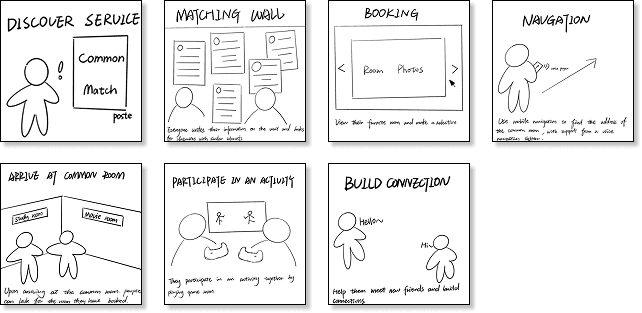
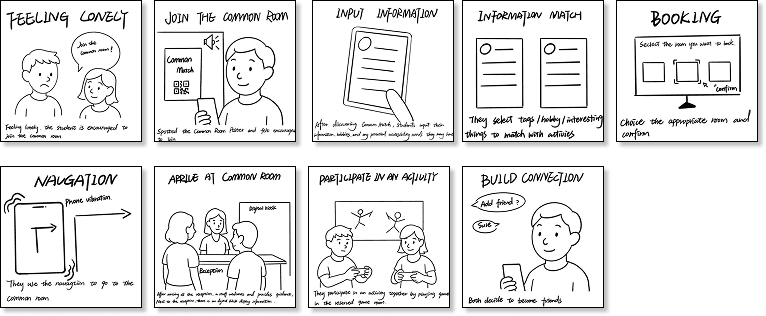
Two storyboard iterations were created to visualise how different users might discover and engage with the Common Room service.
The first storyboard focused on a clear, linear solo-user journey, reducing cognitive load for first-time users.
The second explored a more social and emotional scenario, highlighting how accessibility influences confidence, participation, and connection in shared environments.
Together, these storyboards helped test assumptions, reveal emotional friction points, and inform later decisions around navigation, booking, and support mechanisms.
Two storyboard iterations were created to visualise how different users might discover and engage with the Common Room service.
The first storyboard focused on a clear, linear solo-user journey, reducing cognitive load for first-time users.
The second explored a more social and emotional scenario, highlighting how accessibility influences confidence, participation, and connection in shared environments.
Together, these storyboards helped test assumptions, reveal emotional friction points, and inform later decisions around navigation, booking, and support mechanisms.
Storyboard 1
Storyboard 1
Storyboard 2
Storyboard 2
User Journey Insight
User Journey Insight
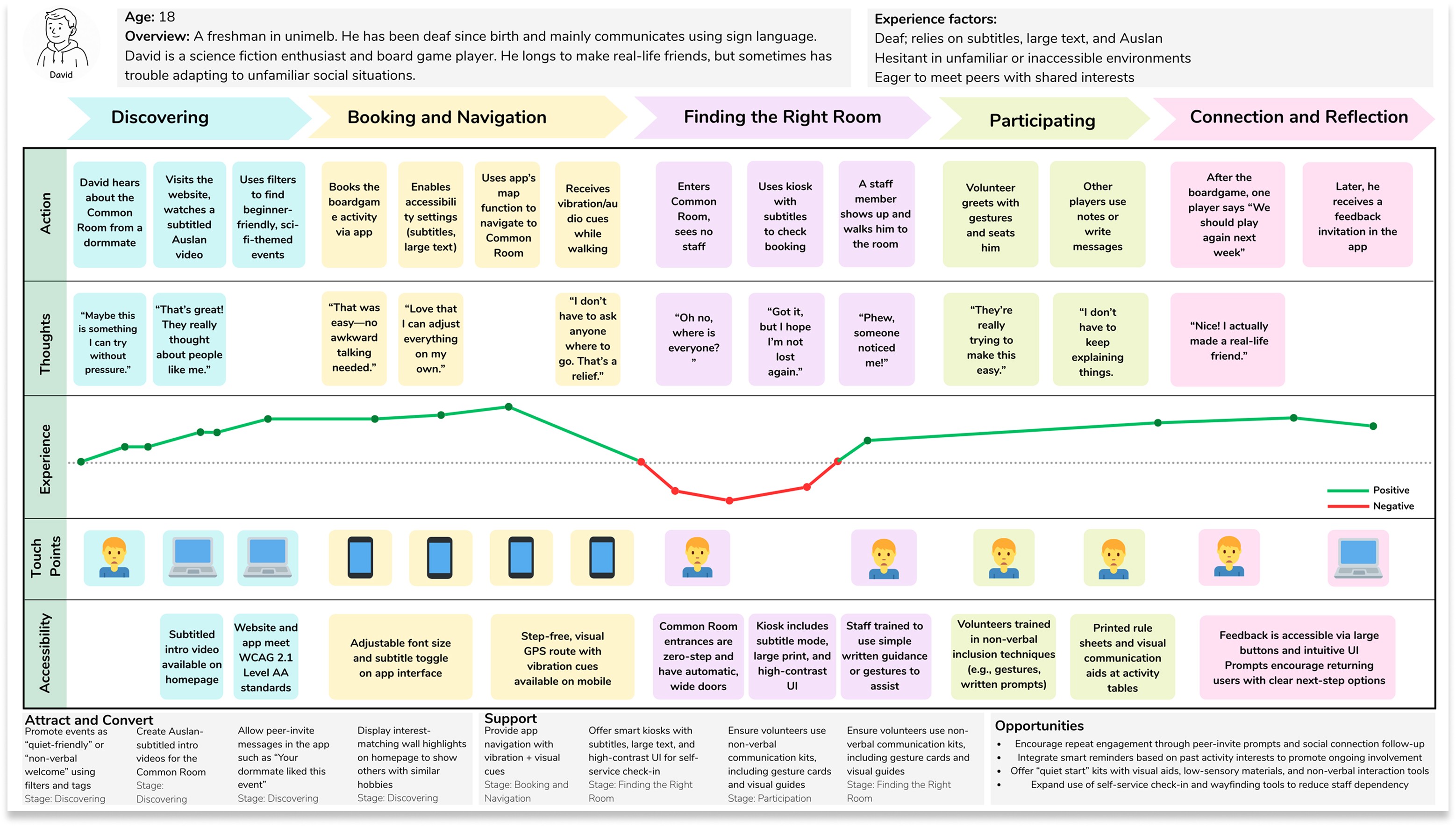
Mapping a deaf student’s journey revealed key moments of uncertainty around navigation, group participation, and access to information—especially in the absence of staff support. These insights informed design decisions that prioritised clear visual cues, optional social engagement, and non-verbal support mechanisms to improve confidence and inclusion.
Mapping a deaf student’s journey revealed key moments of uncertainty around navigation, group participation, and access to information—especially in the absence of staff support. These insights informed design decisions that prioritised clear visual cues, optional social engagement, and non-verbal support mechanisms to improve confidence and inclusion.
Conversational Flow Prototype
Conversational Flow Prototype
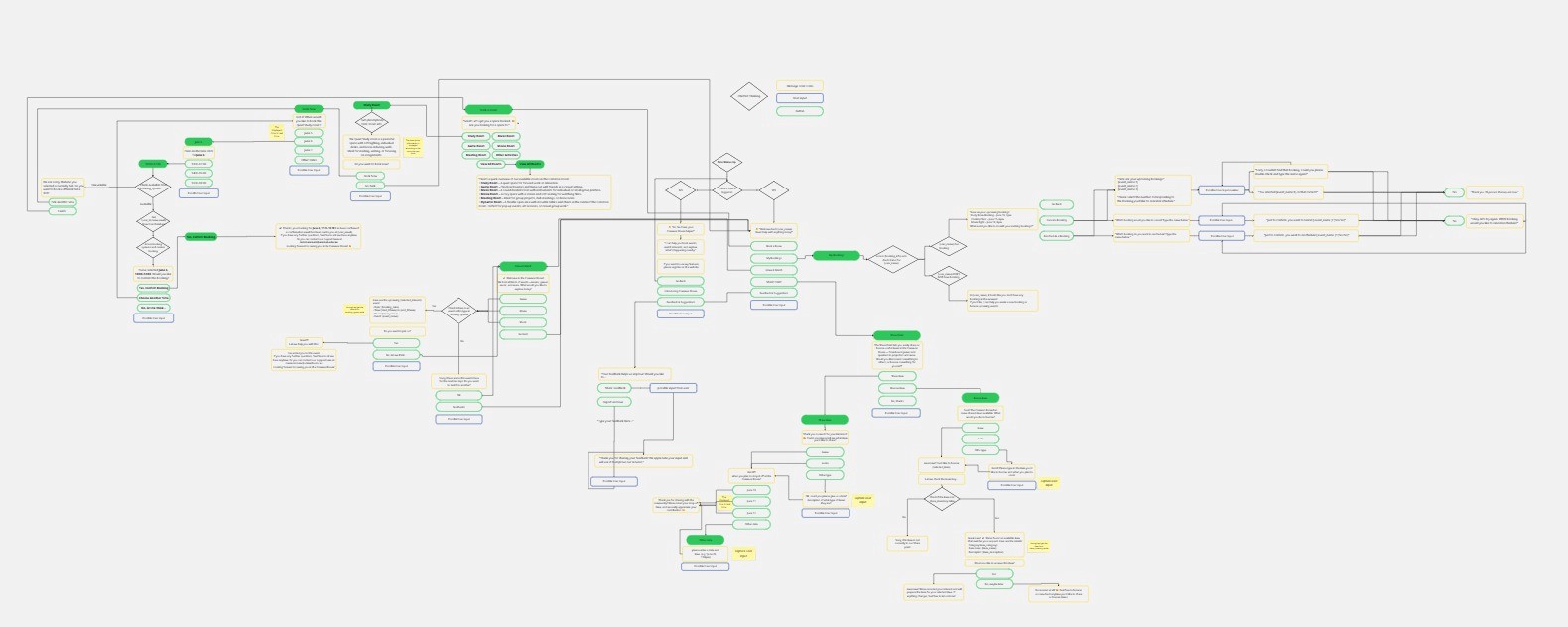
A conversational prototype was developed to explore how voice and text-based interaction could support accessibility within the service. The flow focused on common tasks such as booking, navigation, and information access, while accommodating different entry points and user preferences.
Design decisions prioritised clarity, dual-channel interaction (voice + text), and supportive feedback to reduce friction and increase confidence during use.
A conversational prototype was developed to explore how voice and text-based interaction could support accessibility within the service. The flow focused on common tasks such as booking, navigation, and information access, while accommodating different entry points and user preferences.
Design decisions prioritised clarity, dual-channel interaction (voice + text), and supportive feedback to reduce friction and increase confidence during use.
Wireframe Design & Refinement
Wireframe Design & Refinement
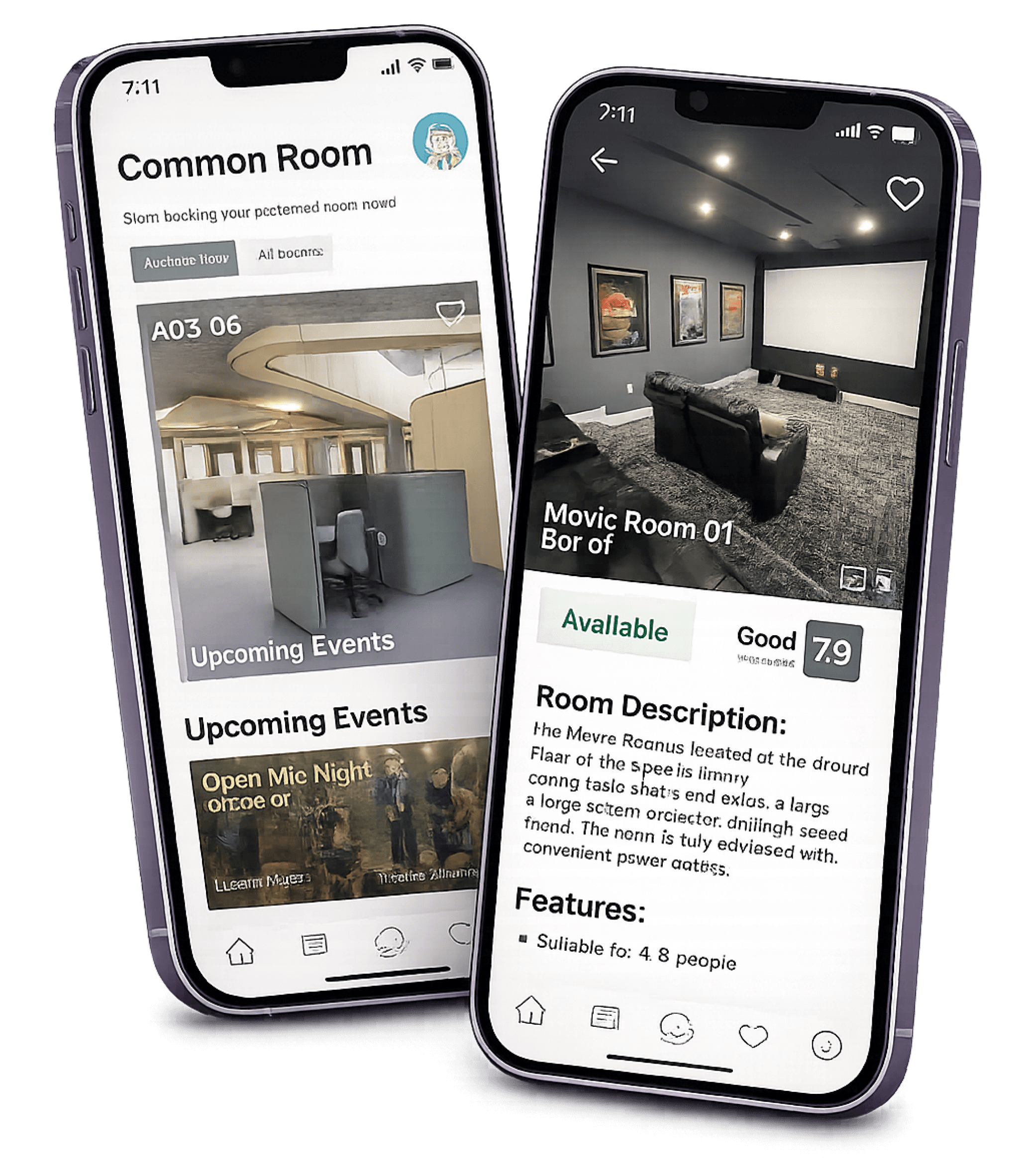
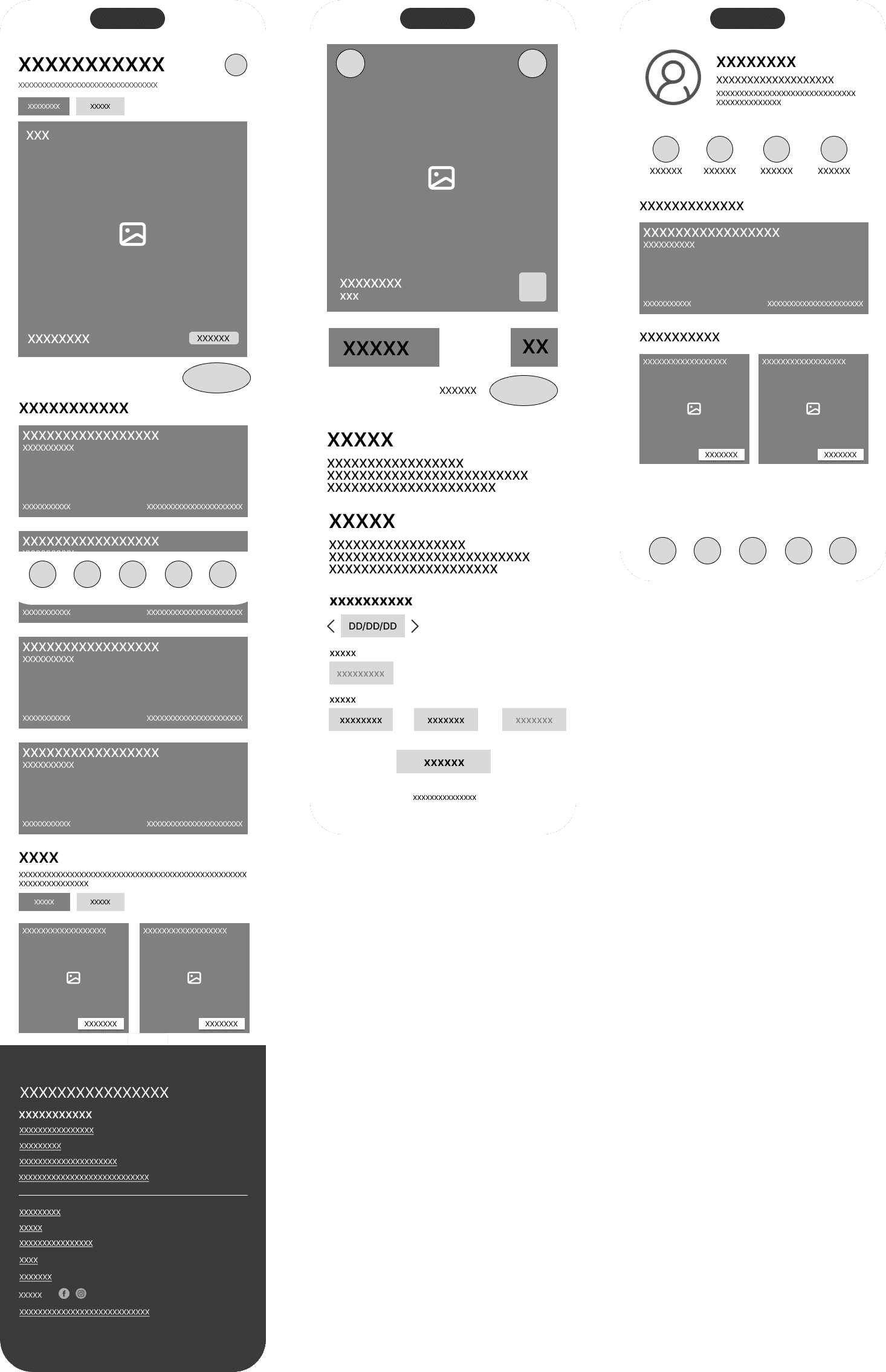
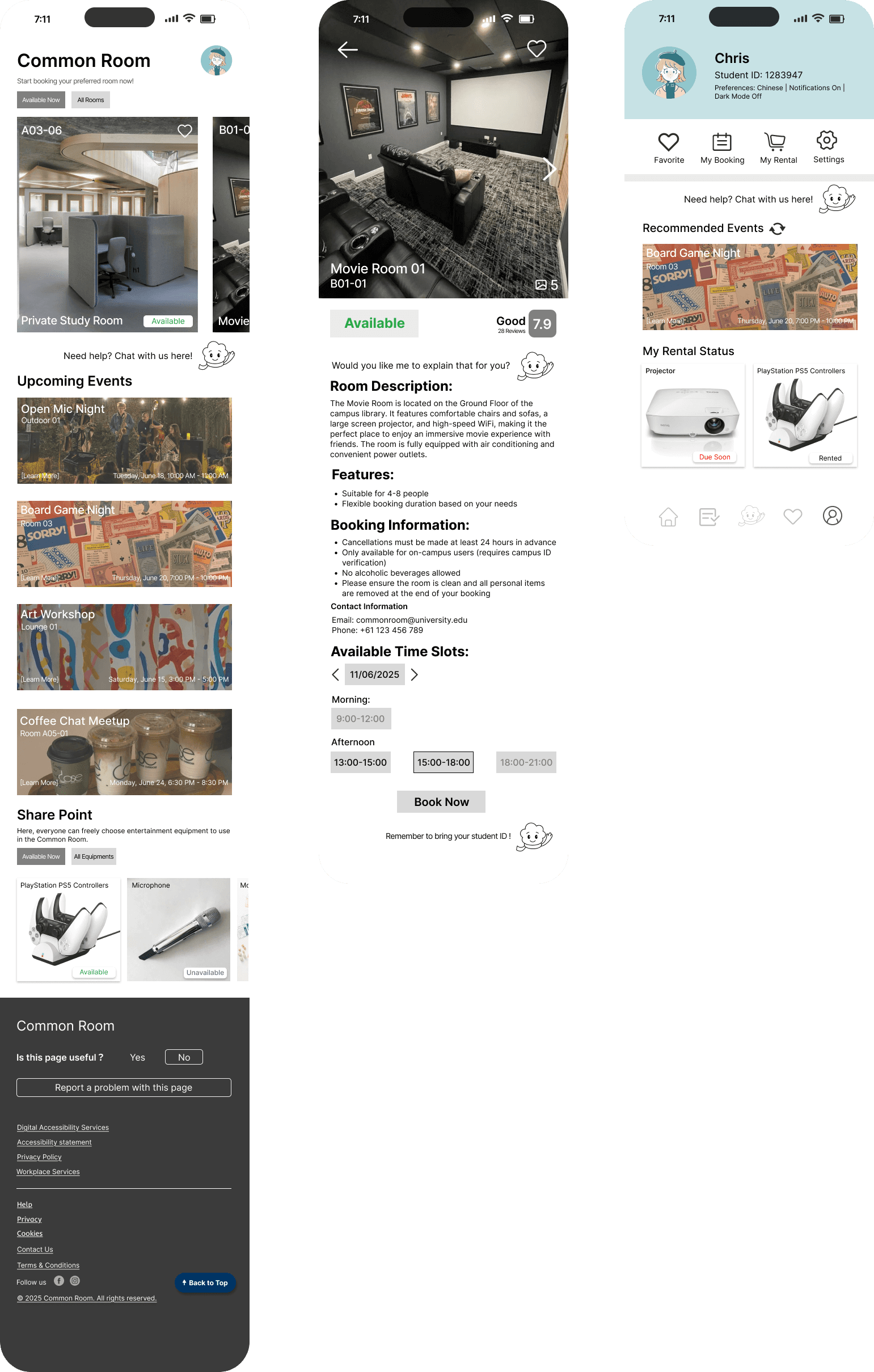
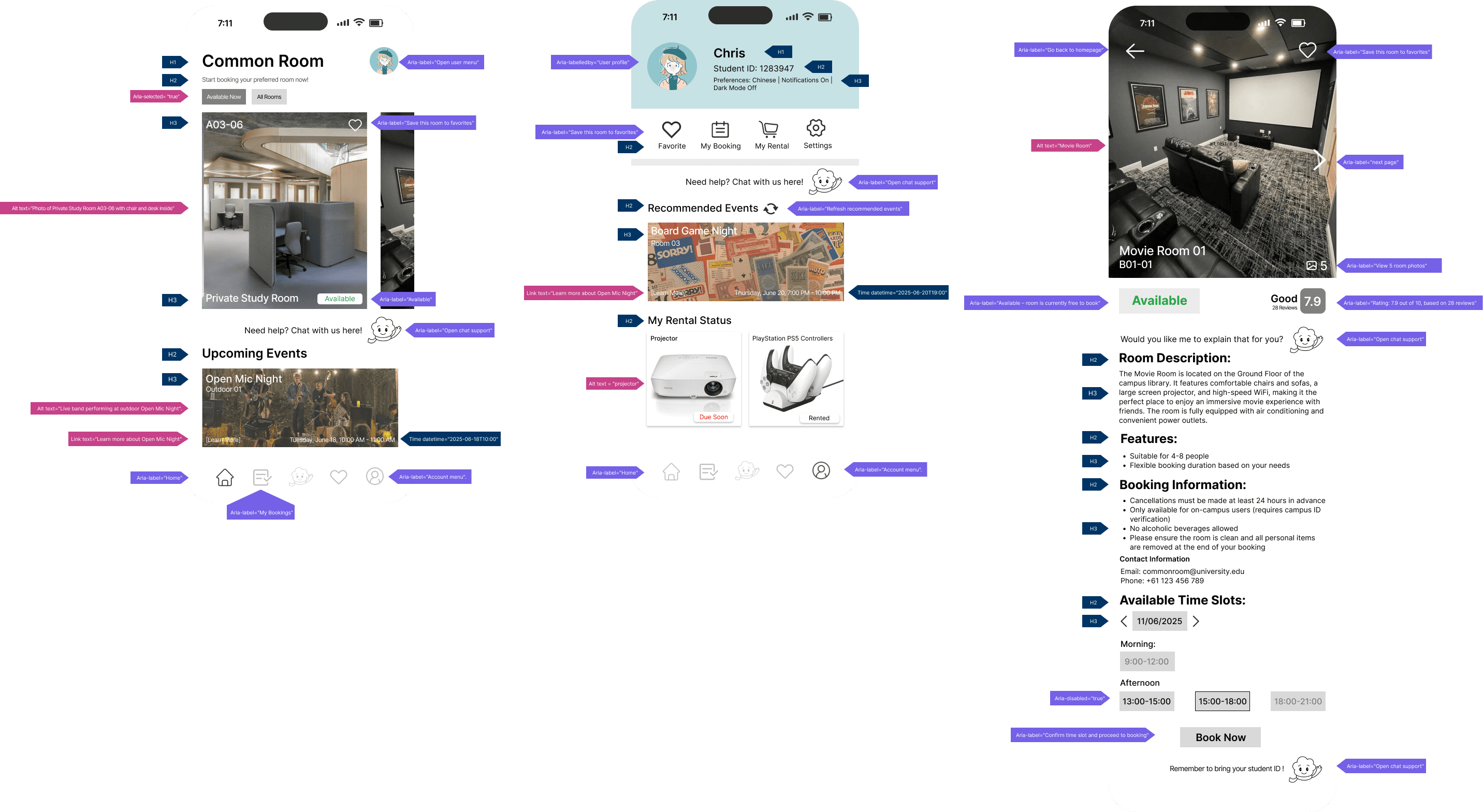
High-fidelity wireframes were created to structure key user flows such as booking, navigation, and account management.
The design focused on clear information hierarchy, accessible interaction patterns, and visible system feedback to help users understand tasks and complete actions with confidence.
High-fidelity wireframes were created to structure key user flows such as booking, navigation, and account management.
The design focused on clear information hierarchy, accessible interaction patterns, and visible system feedback to help users understand tasks and complete actions with confidence.
Reflection
Reflection
This project strengthened my ability to translate accessibility insights across physical, service, and digital systems. Moving from concept to prototype highlighted the importance of designing non-linear flows, multimodal support, and clear guidance without overwhelming users.
Through iterative testing, I learned to simplify interaction logic, refine prompts and labels, and balance digital-first solutions with human fallback options to support confidence and inclusion.
This project strengthened my ability to translate accessibility insights across physical, service, and digital systems. Moving from concept to prototype highlighted the importance of designing non-linear flows, multimodal support, and clear guidance without overwhelming users.
Through iterative testing, I learned to simplify interaction logic, refine prompts and labels, and balance digital-first solutions with human fallback options to support confidence and inclusion.
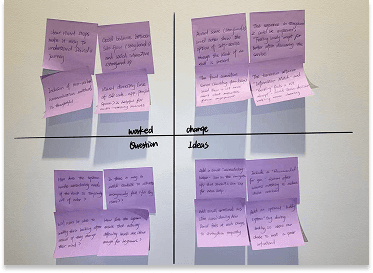
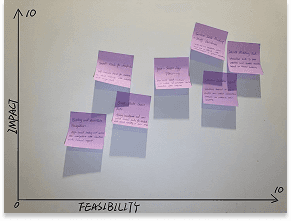
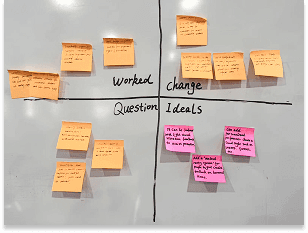
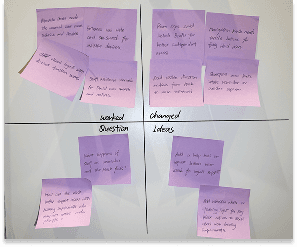
Iterative testing and refinement informed later design decisions.
Iterative testing and refinement informed later design decisions.